
The Permanent War and Its Shifting Enemies
Nineteen Eighty-FourConflict evolution of the war between Oceania, Eurasia and Eastasia, and the Party's power to change the enemy at will.
increasing Bearing strength in each event
 decreasing
Bearing strength in each eventdecreasingThe Eternal Enemy
The Eternal Enemy
The Background
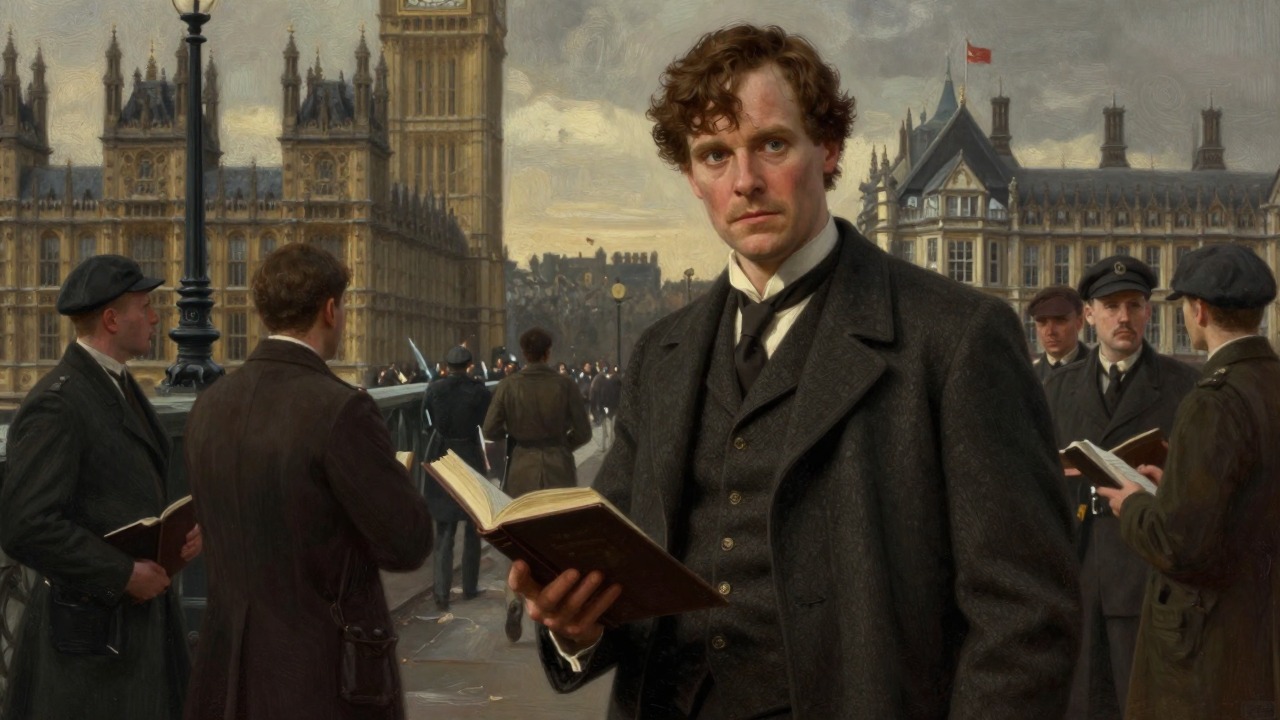
London is the chief city of Airstrip One, part of Oceania, which is perpetually at war with one of the other superstates. The Party tells citizens that they have always been at war with the current enemy.
The Forgetting
Winston privately remembers a different alignment four years ago, but he knows there is no record outside his own mind. The war is a constant, and the enemy is an interchangeable symbol.
The Function
The war keeps everyone on the edge of poverty and fear, making the Party's control feel natural.
The Hate Week Pivot
The Hate Week Pivot
The Mid-Sentence Switch
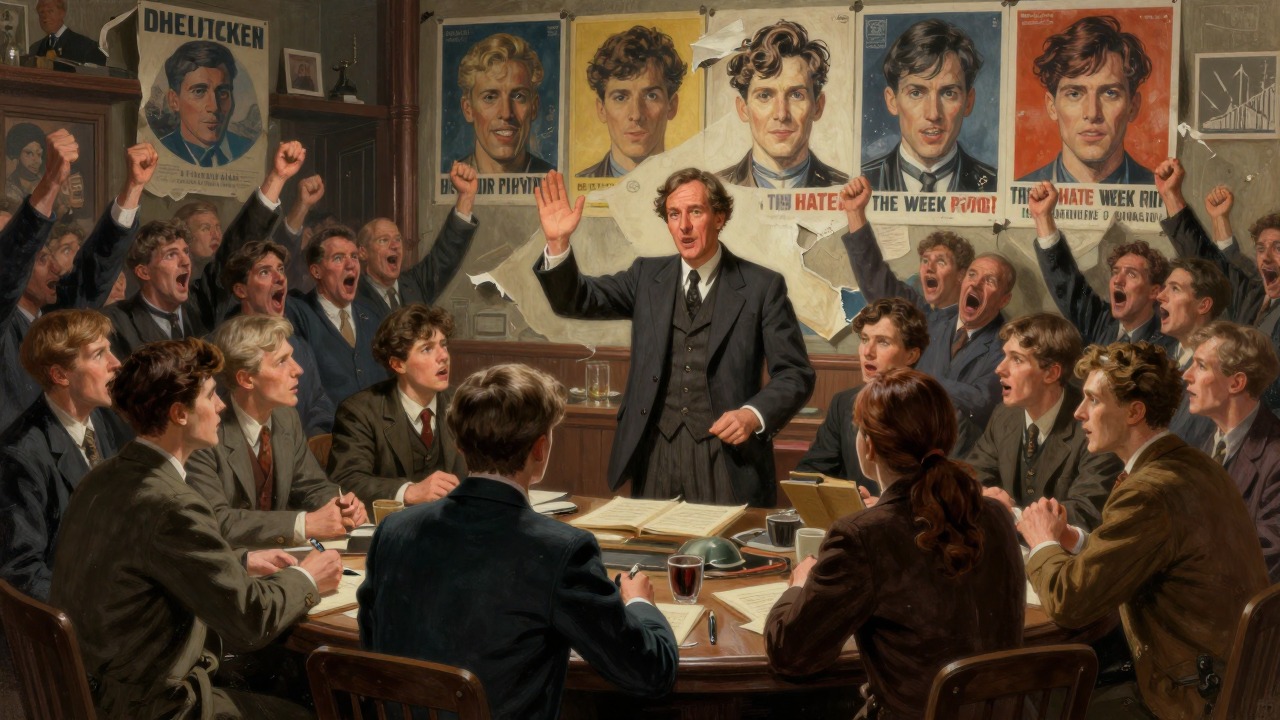
During an orator's denunciation of Eurasia, the enemy suddenly changes to Eastasia. The crowd roars with the same hate, and the posters are torn down for having the wrong faces.
The Immediate Rewriting
Winston and his colleagues work eighteen-hour days to erase all references to the old war. The past is melted down and recast within a week.
The Political Lesson
There is no objective enemy; the enemy is whatever the Party needs at the moment. The war is a tool that can be aimed in any direction.
The Book's Diagnosis
The Book's Diagnosis
The Limited War
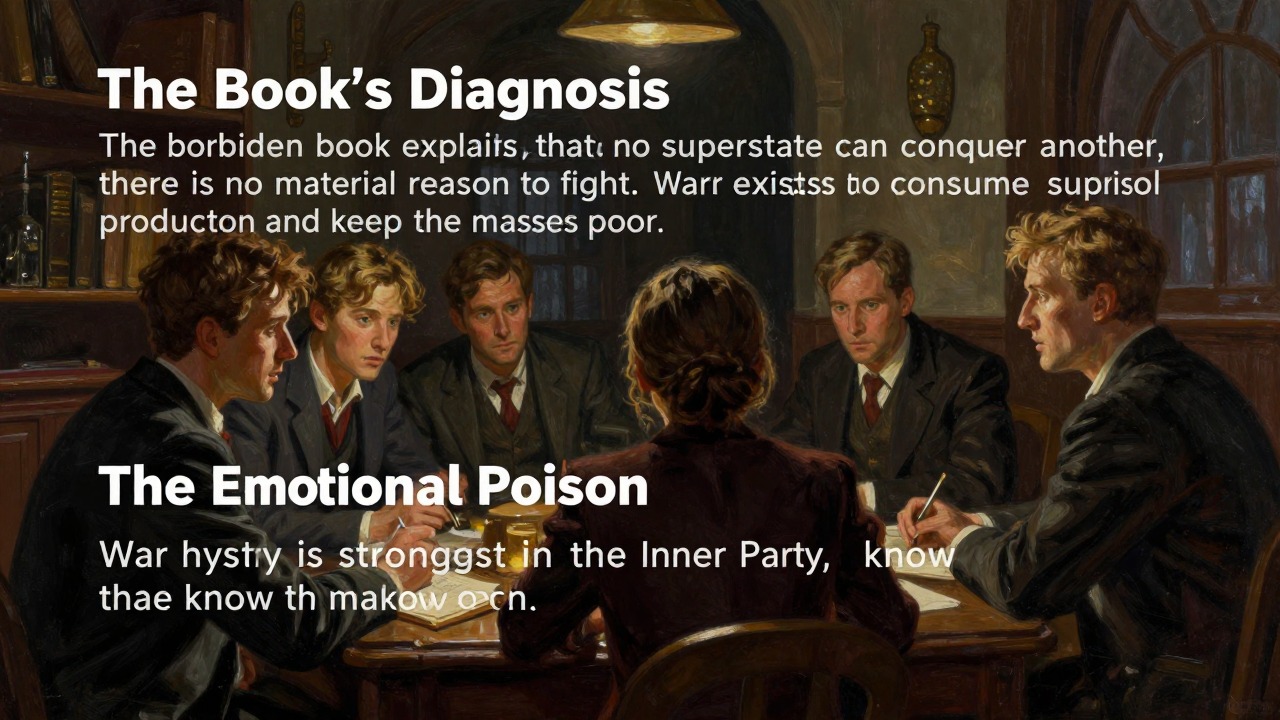
The forbidden book explains that no superstate can conquer another, and there is no material reason to fight. The war exists to consume surplus production and keep the masses poor.
The Emotional Poison
War hysteria is strongest in the Inner Party, who know the war may be spurious, but through doublethink they believe in it absolutely. The conflict is internal, not external.
The Slogan
'War is Peace' is the central truth of the system. A permanent war is a permanent tool of surveillance and sacrifice.
The Final Front
The Final Front
The African Crisis
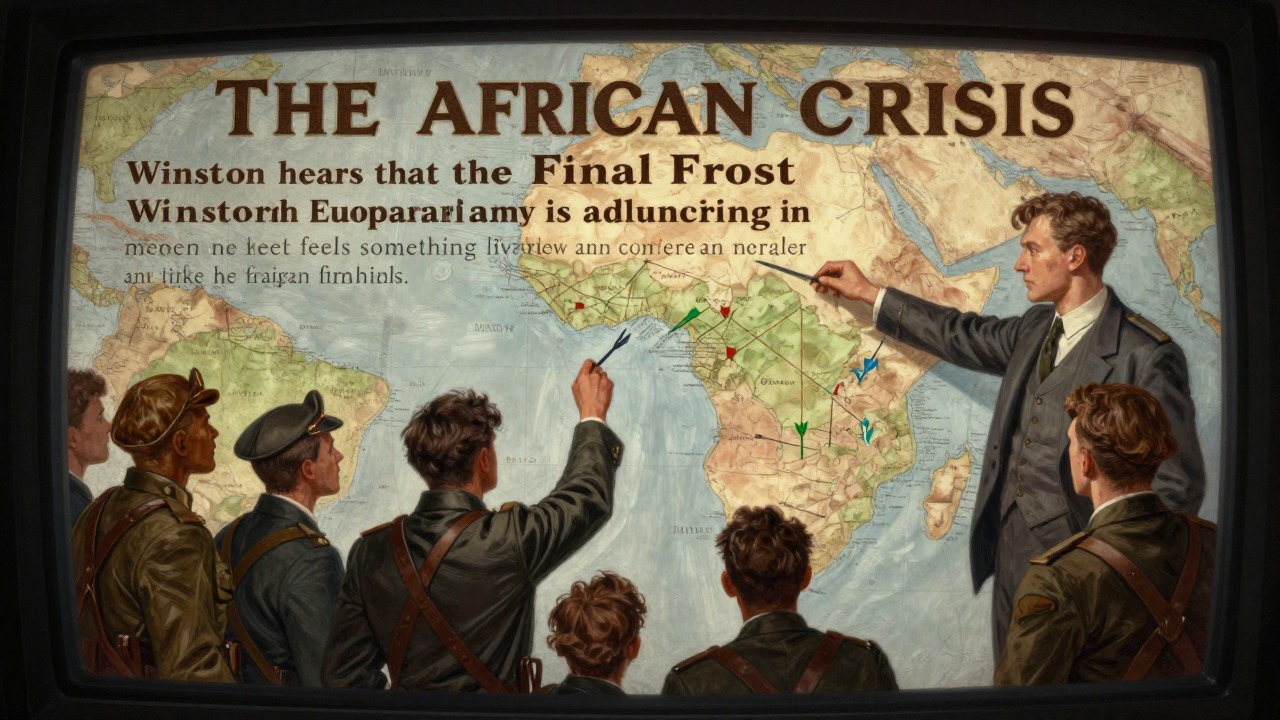
Winston hears that the Eurasian army is advancing in Africa, and for a moment he feels something like real concern. He even draws arrows on a mental map and tries to imagine an outflanking force.
The Proclamation
The television announces a great victory, and Winston's body responds with automatic joy. He learns that everything is all right, and that the Party has prevailed.
The Invisible War
The war's outcome no longer matters; it is only a narrative that generates loyalty. The real conflict is between the Party and its own subjects, and this time the subject has surrendered.
the normal state of affairs
the climax of Hate Week
when Winston reads Goldstein's book
the last scenes
